Three days in Kyoto feels more generous when each day has a neighbourhood rather than a city-wide checklist. A townhouse stay can encourage that approach: you step into the same streets each morning and begin to recognise their daily rhythm. This itinerary pairs a Gion-and-Higashiyama chapter with a separate western-city day and leaves room for the experience of staying in a residential setting.
Day one: settle into your own part of Kyoto
Arrive, understand the house or hotel arrangements and take a modest walk near your base. Learn the practical things first: the nearest transport stop, where you can buy breakfast and the route you will use after dinner. With a whole townhouse, check entry instructions and luggage arrangements before arrival. Do not plan a timed visit immediately after a long transfer. The first evening is more enjoyable when you can stop and look rather than hurry to recover a schedule.
Day two: keep Gion and Higashiyama together
Kyoto's official visitor information treats Gion and Kiyomizu as a connected area. Choose a manageable route that gives you time for a temple visit, the streets between places and a proper lunch. Respect signs and private lanes, keep noise down and ask before photographing people. Gion is a living neighbourhood. The rewarding part is observing the streets with consideration, not trying to turn a resident's journey into a photographic opportunity.
Day three: give the other side of the city a turn
Choose a second area based on your interests rather than crossing Kyoto repeatedly for unrelated sights. A Nijo Castle-side base offers a different daily setting from Gion; an Arashiyama visit is another distinct chapter that needs its own transport plan. Select the principal visit first, check current opening arrangements and leave the rest flexible. You can always add a small discovery nearby, but cannot recover an afternoon spent travelling backwards across the city.
Let the townhouse change the evening
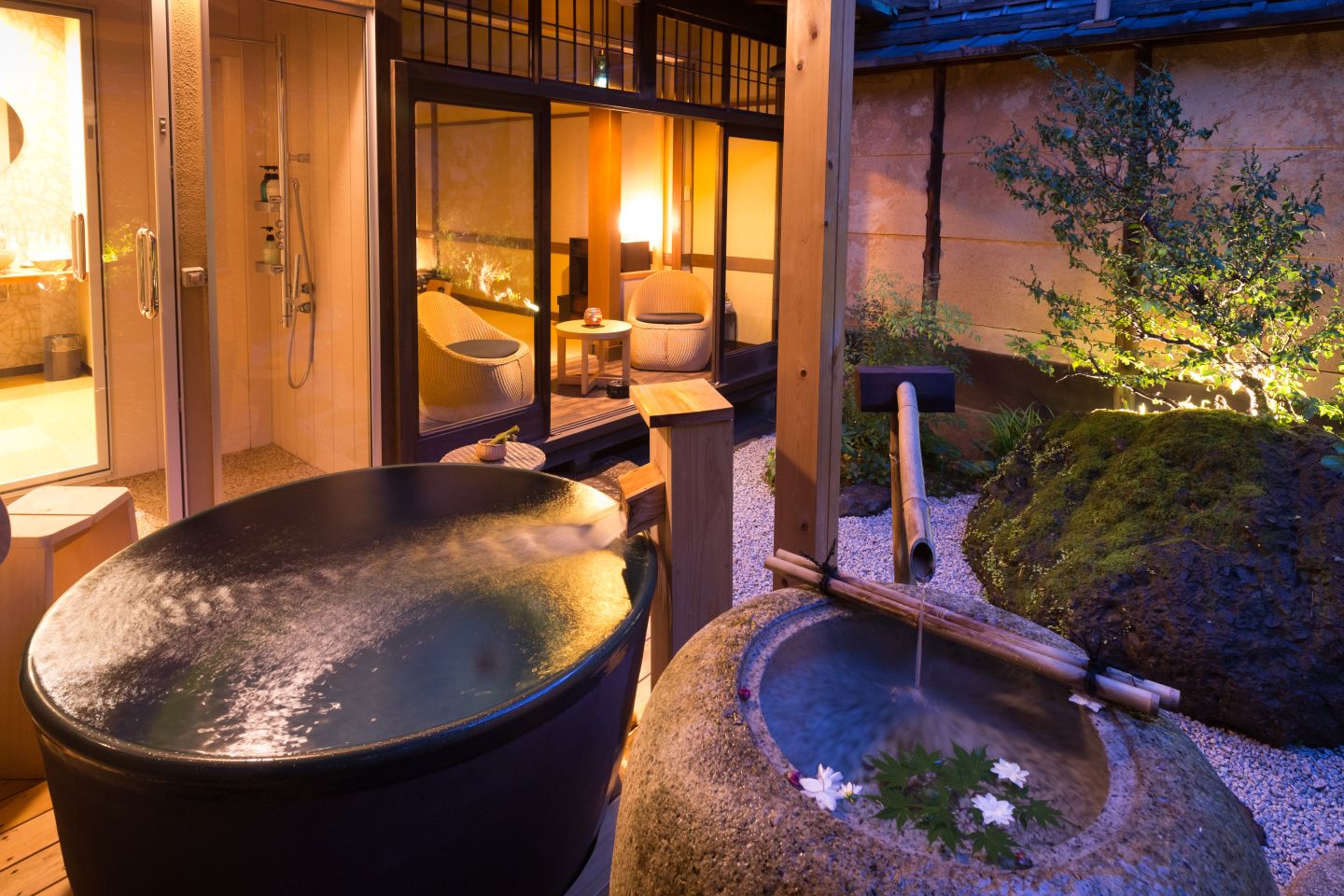
A machiya can be a reason to return early. Read, prepare a simple meal if the property allows it or simply enjoy the proportions and materials of the building. Check whether kitchens are intended for cooking or light preparation, and follow the house rules for waste, shoes and quiet hours. A historic-house atmosphere does not mean every property offers the same facilities or privacy. Book the arrangement you actually want to use.
Pack one fewer outing
Before you leave, remove one stop from the plan. Use the space for a longer meal, an independent shop or the walk between two places that would otherwise become a taxi ride. Three days will not exhaust Kyoto, and that is a useful starting assumption. A selective itinerary creates more room for attention and a clearer sense of where you would like to return.
Distinctive stays to consider
Gion Machiya
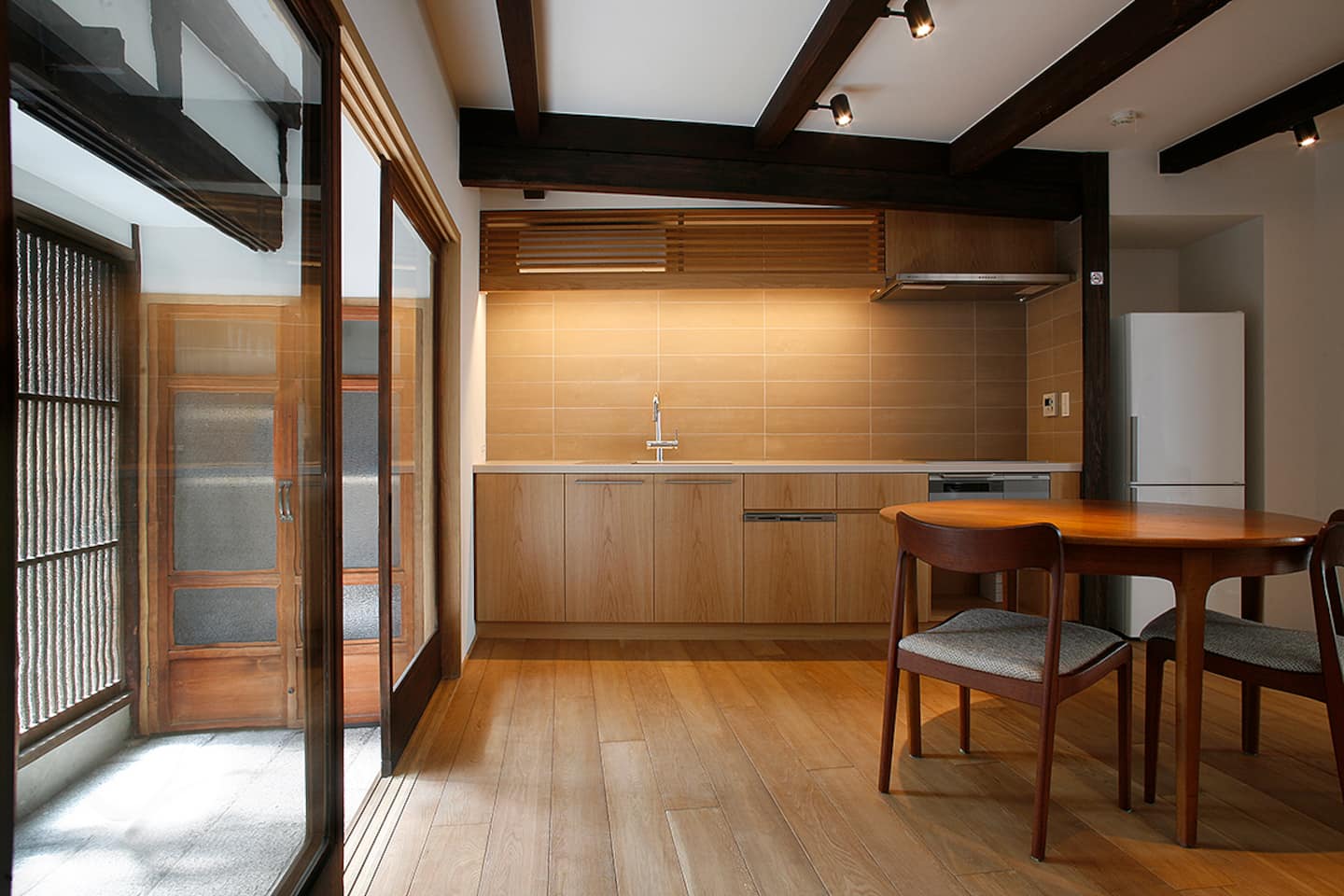
A restored Kyoto townhouse with exposed timber and light-filled interiors, tucked into a side street in the Gion–Higashiyama area.
Nazuna Kyoto Nijo-jo
A tea-themed ryokan in a traditional Kyoto townhouse near Nijo Castle. Individual room designs make this an intimate alternative to a large city hotel.
Explore Nazuna Kyoto Nijo-jo →
Garrya Nijo Castle Kyoto
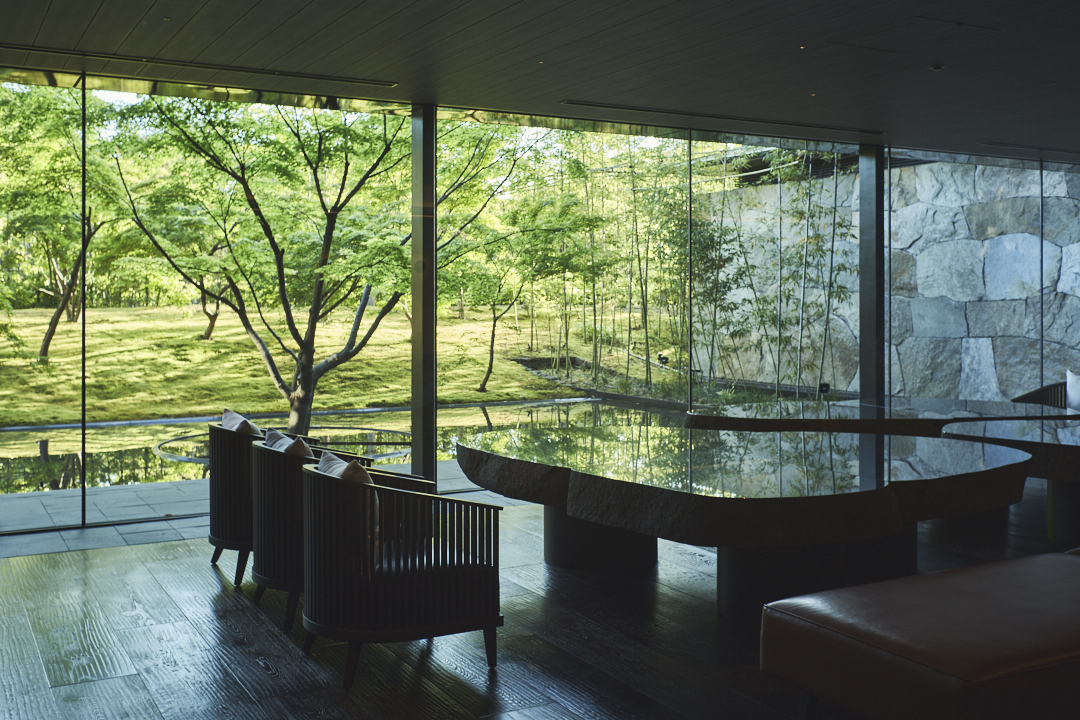
A contemporary boutique hotel beside Nijo Castle, with garden-facing spaces and a quiet setting for returning from a day in Kyoto.
Explore Garrya Nijo Castle Kyoto →
Questions before you go
Must I stay in Gion to use this itinerary?
No. Adjust the order around your actual base and transport. A Nijo-side hotel may make the western-city day the simplest place to begin.
Does a machiya booking always mean the whole house?
No. The term can describe a whole-house rental, a room-based property or a converted inn. Confirm the exact booking arrangement and shared spaces.
Keep exploring
Explore the Japan collection and our destination stays.
Planning sources: kyoto.travel; kyoto.travel; japan.travel. Check the relevant operator for current access and booking arrangements.